
We have been handed something as significant as electricity and, for the moment, many of us are using it to write better emails.
Which is very human, really.
When electricity first arrived in factories, many swapped the old power source for an electric motor and carried on much as before. New technology, old factory.
Early refrigeration was used to make ice. We invented a new way of controlling temperature and thought, excellent, now we can make the old thing more efficiently. It took a while to realise we could skip the ice.
I think we are doing exactly this with AI.
More emails. More reports. More social posts. More images. More content.
More slop.
I’m hugely optimistic about what AI can do. But if every productivity gain means producing more, we need to question the way we work too. There is an environmental question in that. These systems use energy, water and physical infrastructure. “Can we generate this?” cannot be the only question. Sometimes “do we need to?” is more useful.
And we can already feel the generic. So much of it is fine. Perfectly fine. And completely forgettable. The more AI can make that kind of stuff for us, the more our own taste, experience, weirdness and point of view matter.
This is a lot of what I’m doing through The Signal Studio: sitting with businesses and working out where AI could actually help, and what needs sorting out before it will.
I don’t start with the shiny tool. I start with the business. What’s not working? Where are people losing time? Where is the useful knowledge sitting? What could AI take off people’s plates, and what needs to stay human?
The answer is different every time. It might mean redesigning a workflow, organising business knowledge, building team capability, putting guardrails around what is already happening, or finding the right technology and people to build something.
I stay tool and model agnostic because the technology is moving too quickly to build a strategy around whatever is leading this week.
Over the weekend I had one of those moments where I realised, oh, this has properly changed. With the new ChatGPT Work capability, I could connect AI directly to the business apps and systems I use. It was auditing and updating SEO and AEO across my sites, working across live business information, and building web pages while I watched and directed the work.
A few weeks ago, I was mostly talking to AI about the work. Now it can increasingly work inside the business with me. I could use that because I’d already done the boring groundwork.
So for businesses, the useful question is less “which AI should we use?”
It is:
What could AI take off people’s plates, what could it help us do better, and what do we want to make more room for?
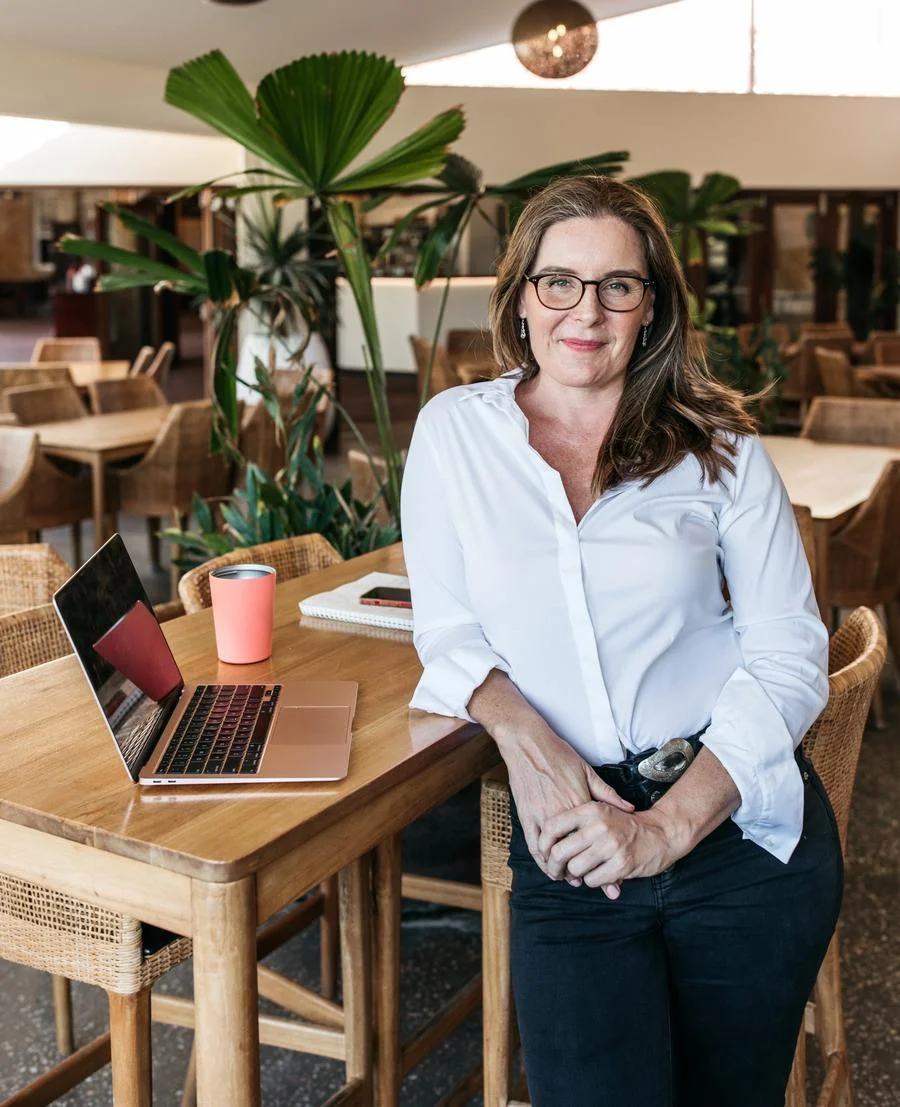
Michelle Williams, based in Byron, founded The Remix, a learning community helping people make sense of AI through events, workshops and practical pathways, and The Signal Studio, where she helps businesses work out where AI can genuinely create value and redesign how work gets done.