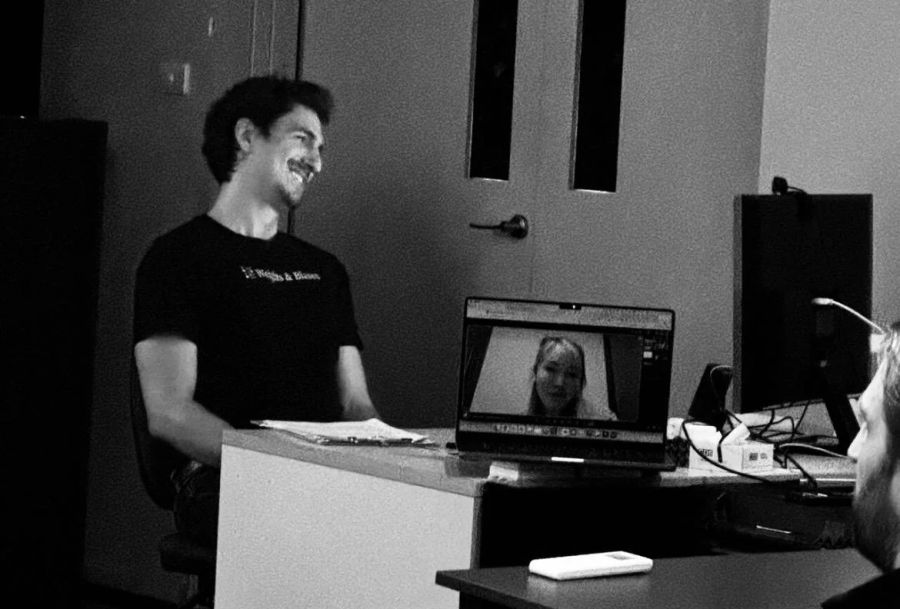
At 8am on May 27, a group of people showed up to talk about the future. That alone said something.
A conversation beyond the tools
The Remix hosted OpenAI to Byron: a conversation designed to move past prompts, tools and productivity hacks and into the bigger questions AI is raising for work, creativity, business, trust and society.
The reason for bringing this conversation here was simple. AI is moving quickly, and many people are still trying to understand what it actually means. Not just which tools to use, but where this is headed, what the real opportunities are, and how to build the capability to work with it well.
Four perspectives, one conversation
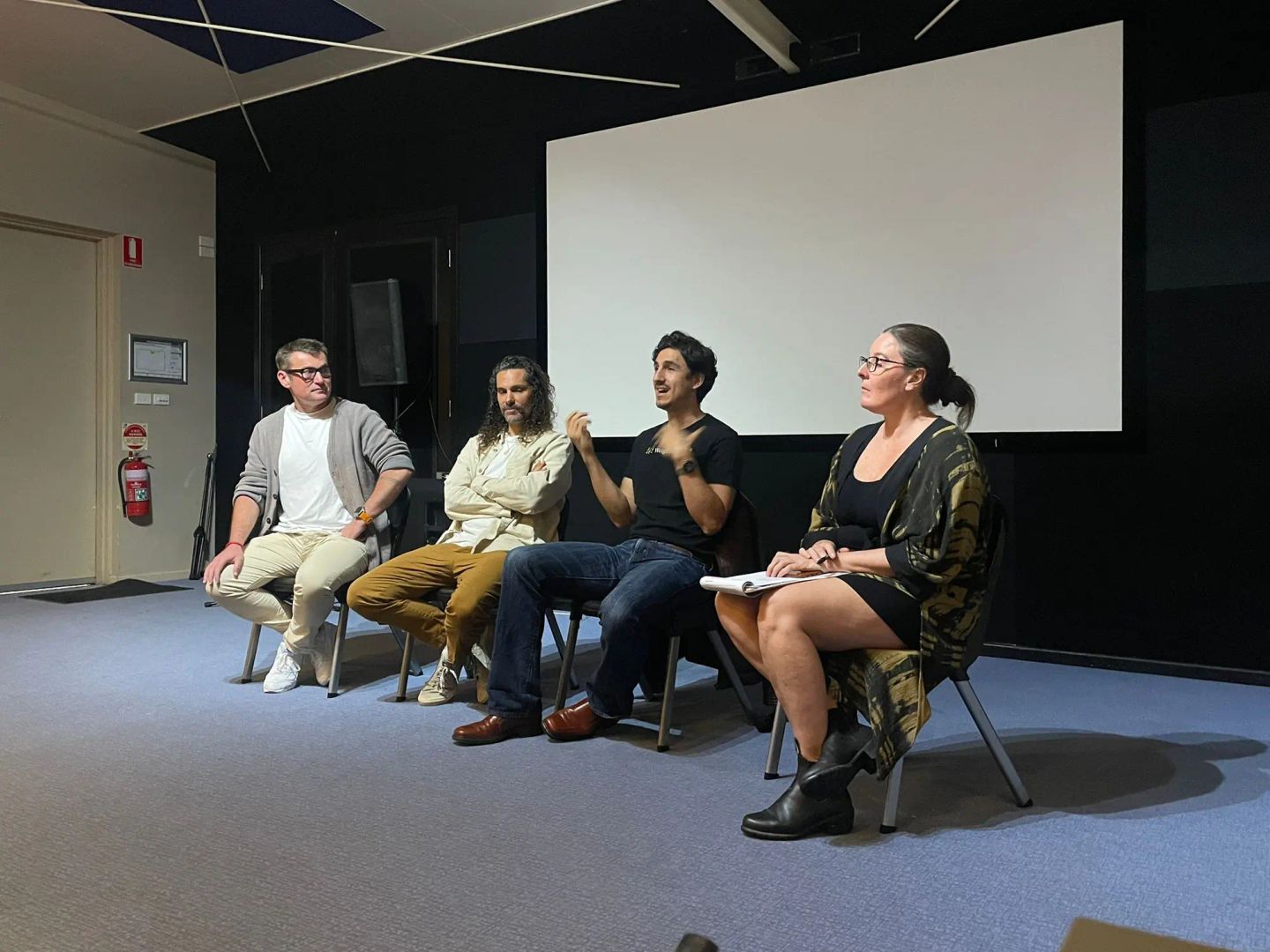
The morning brought together Teri Yu from OpenAI, Joël Kalmanowicz, Director of Trust and Safety at Canva, Matt Williamson, President of the Byron Bay Chamber of Commerce, and poet Luka Lesson.
Four perspectives. One conversation.
A few lines stayed with the room:
- Teri at OpenAI: the pace of AI development is genuinely hard to keep up with, even for people inside it.
- Matt on business: start by understanding how your business actually works. Map the process first. Then look at where AI can help.
- Luka on creativity: art is not just the output. It is who you become in the process of making it.
- Joël on trust and safety: the speed of adoption is outstripping our ability to integrate AI in ways that are right-sized, responsible and useful.
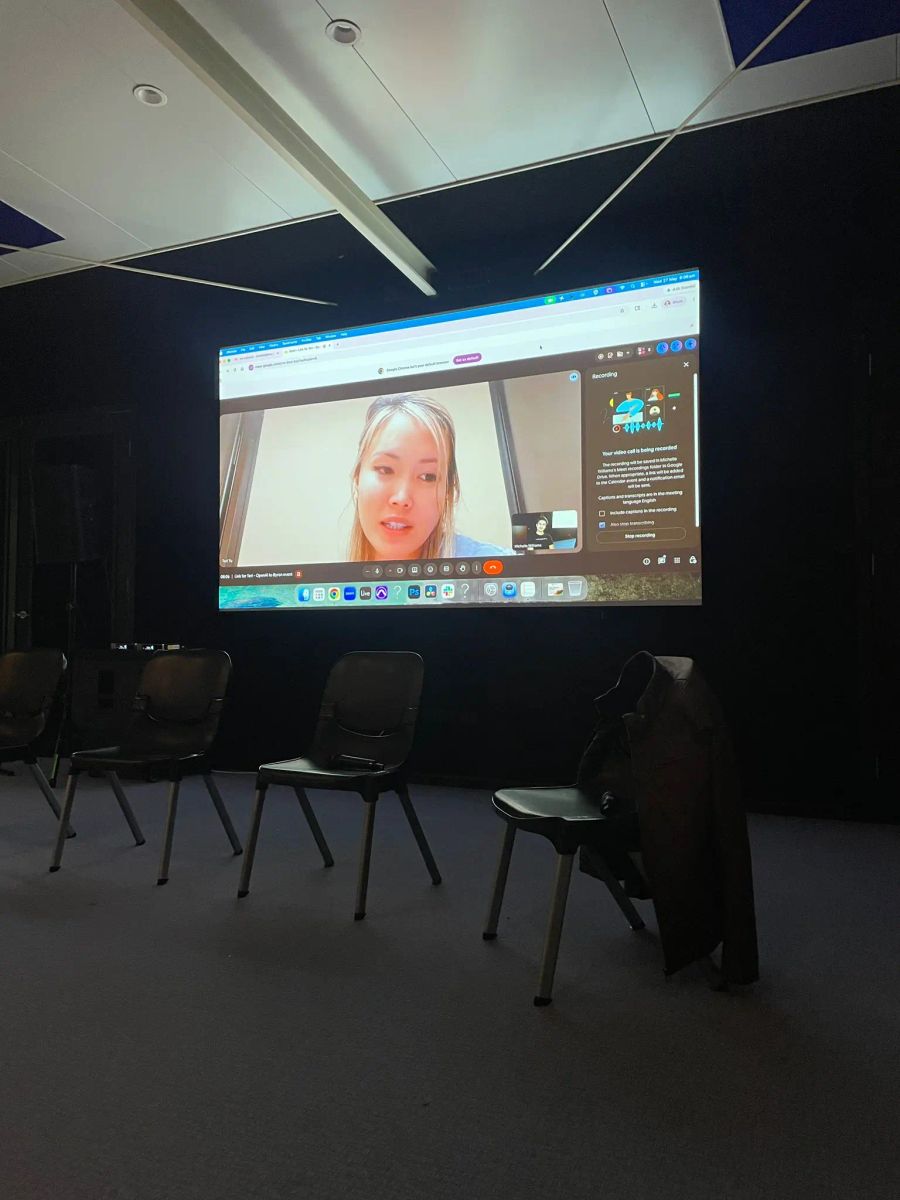
Teri Yu, Product Manager at OpenAI, joined us from San Francisco to share a view from inside the frontier: how quickly the technology is changing, why multimodal AI matters, and what it means as AI moves beyond text into images, voice, video and richer context.
What came through
AI is not just a technology conversation. It is a work conversation. A creativity conversation. A learning conversation. A systems conversation.
The real opportunity is not to use AI faster. It is to understand where it genuinely helps, where human judgement matters more than ever, and what needs to change in how we work, organise and make decisions around it.
What this means for business, creativity and trust
For business, that means starting with the work itself. Not adding AI on top of unclear processes, but mapping what actually happens first, then looking at where AI reduces friction and improves how things get done.
Luka's point was not just for artists. As AI gets better at producing output, what matters more is the thinking behind the work. Taste. Judgement. The perspective you bring. The process of making something and what that does to how you see.
That is not a creative industry concern. That is a human work concern.
For trust and safety, the challenge is speed. Adoption is happening fast. Integration needs care. These tools need to become useful in ways that are grounded, responsible and right for the context.
What comes next
That is the work ahead.
Not more noise. Not more panic. Not pretending any of this is simple.
Better conversations. Better questions. Better systems. More practical ways for people and organisations to understand and apply AI well.
The Remix will keep creating events, meetups and learning pathways for people who want to understand AI beyond the hype and apply it in real ways.
The Signal Studio works with businesses and teams to move from curiosity to practical implementation, including how work gets organised, where AI actually fits, and what needs to change underneath it.
This conversation felt like a beginning.